KOSTENLOSE LIEFERUNG IN GROSSBRITANNIEN AB 50 £ | KOSTENLOSE RÜCKSENDUNGEN IN GROSSBRITANNIEN | VERSAND IN DIE EU UND INWÄRTIG

KOSTENLOSE LIEFERUNG IN GROSSBRITANNIEN AB 50 £ | KOSTENLOSE RÜCKSENDUNG IN GROSSBRITANNIEN

Lager
  • Nach Aktivität
  • Fastpacking & Laufen

  • Spazierengehen & Wandern

  • Wildcampen

  • Vanlife

  • Marken
  • Zeitschrift
  • Die besten Outdoor-YouTuber, TikTok-Nutzer und Vlogger

  • Vom Waldboden bis zur gemütlichen Ecke

  • Berg-Basislager | Glencoe, Schottland

  • Interview: Jørgen Amundsen, Amundsen Sports
  • Nordische Nester

  • Ticket To The Moon | Die Geschichte

  • Wilde Orte | 6 beeindruckende Erfolgsgeschichten zur Renaturierung in Großbritannien

  • Leitfaden zum Pilzesammeln: Pfifferling

  • Taschen – EDC
  • Haus und Garten
  • Kleidung
  • Schuhe

  • Walsh

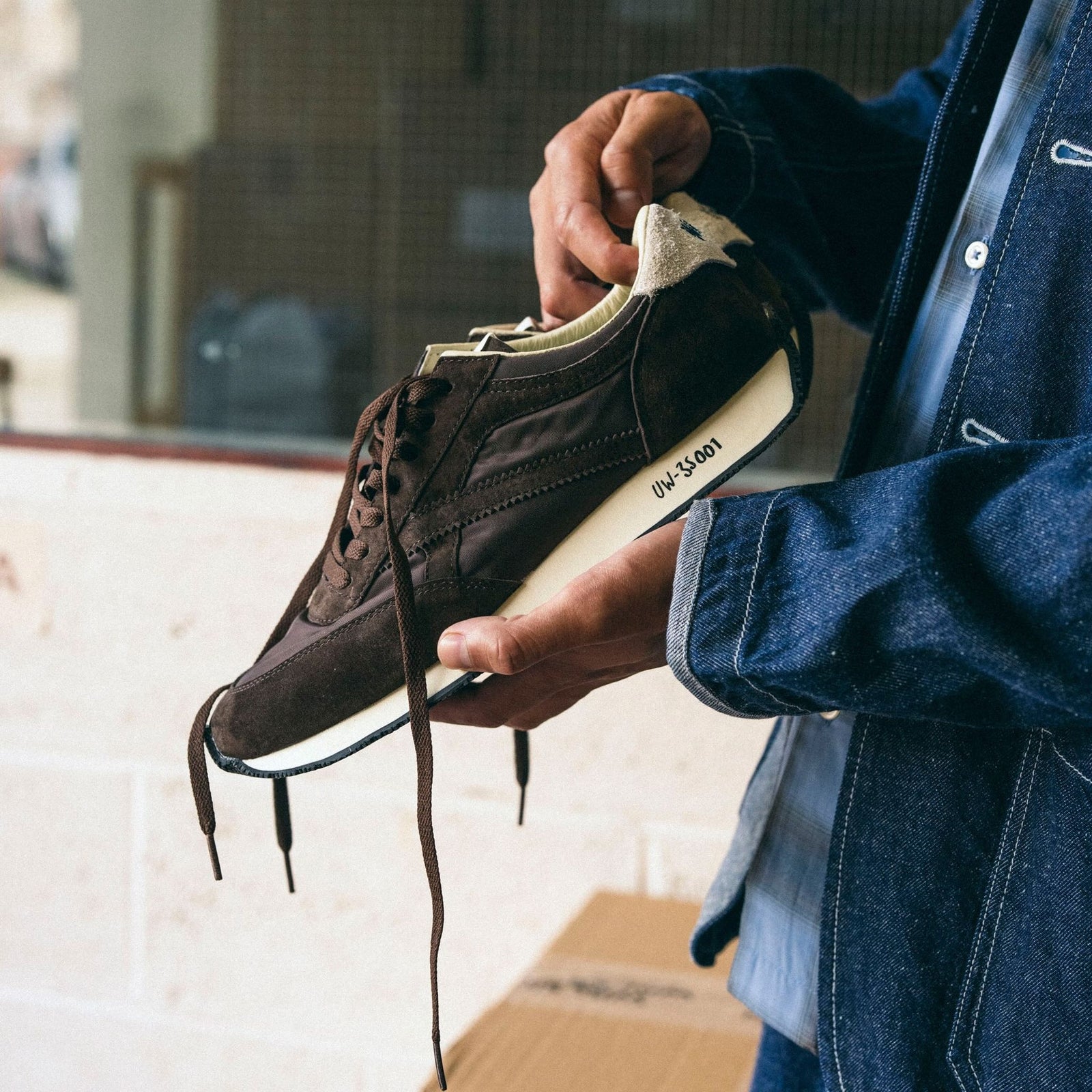
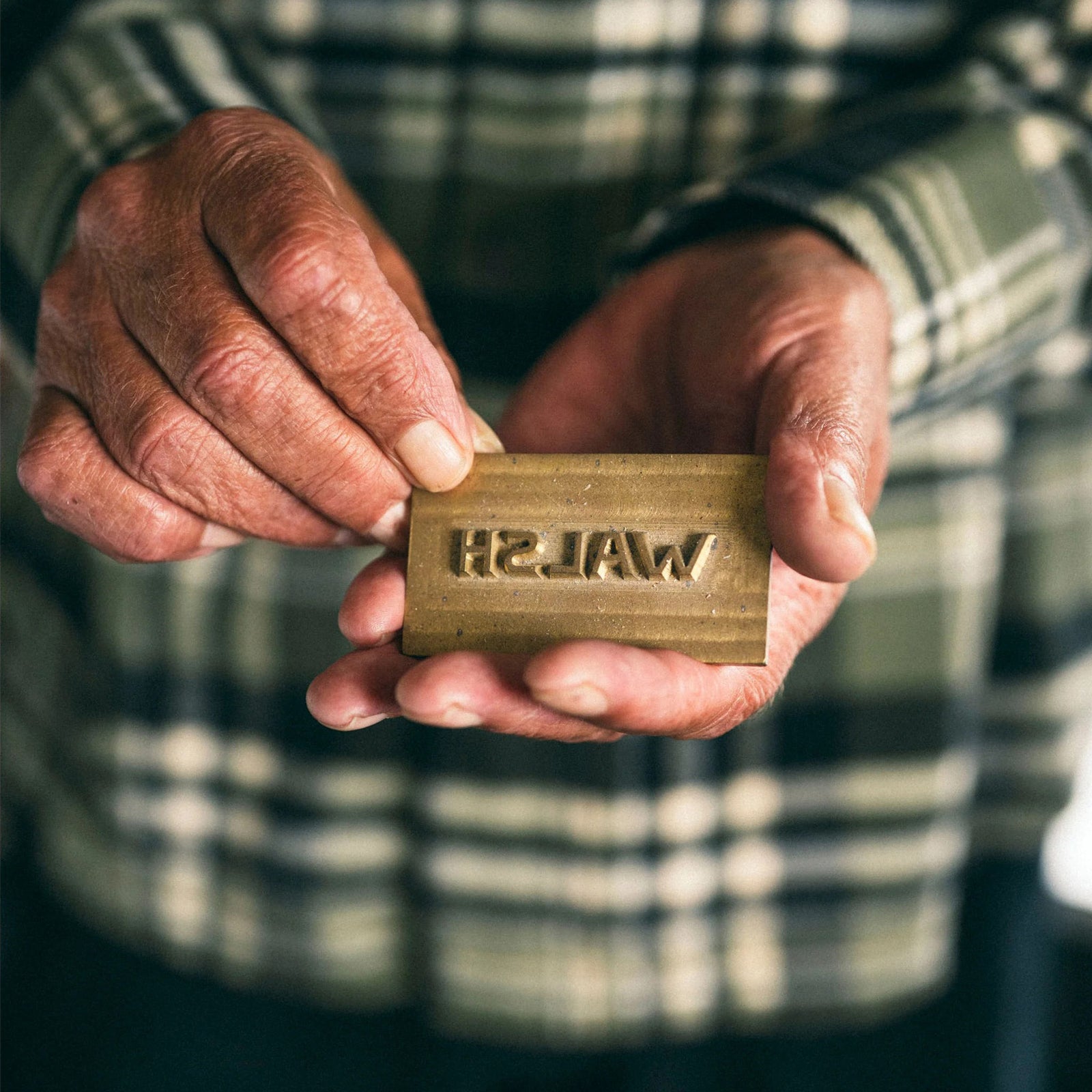
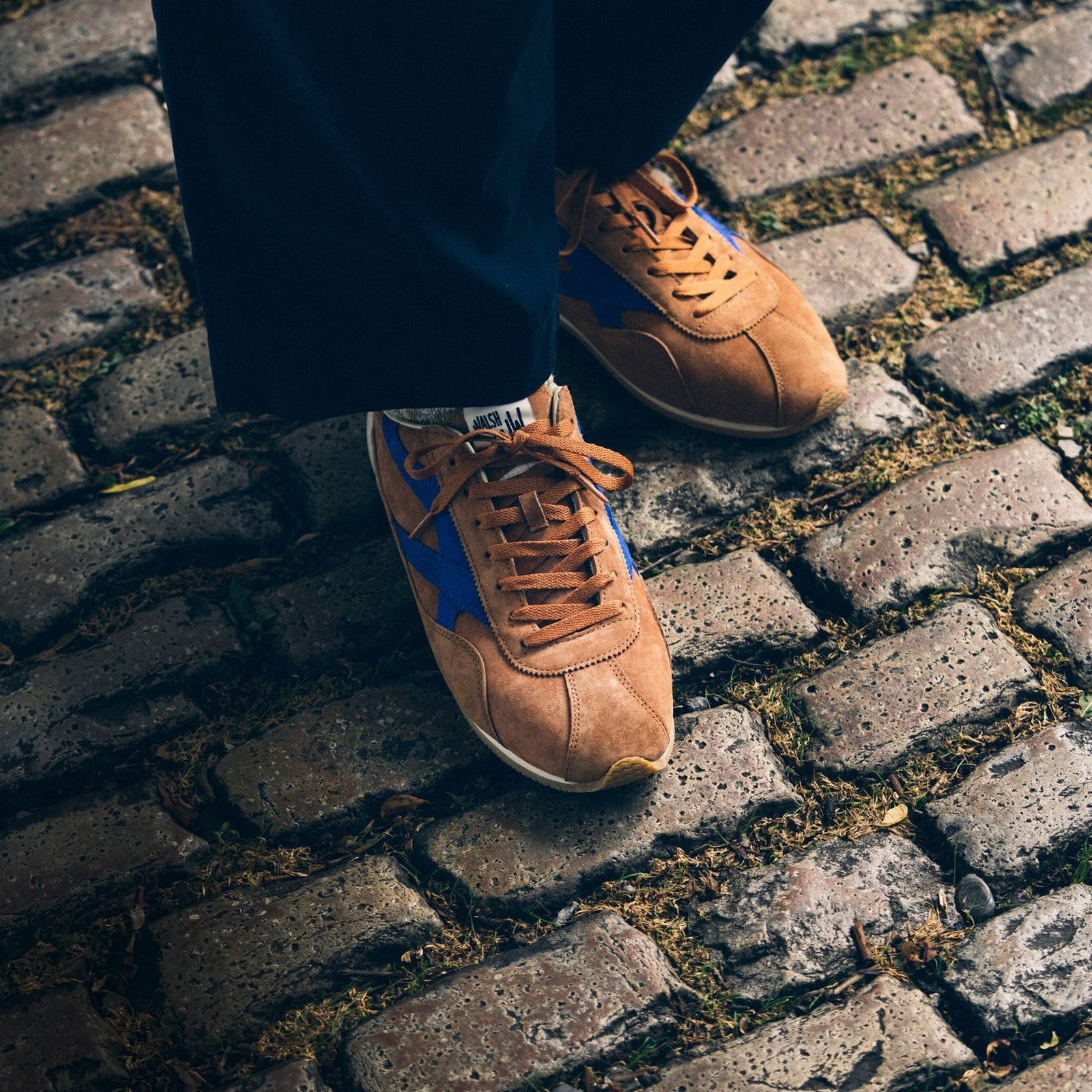
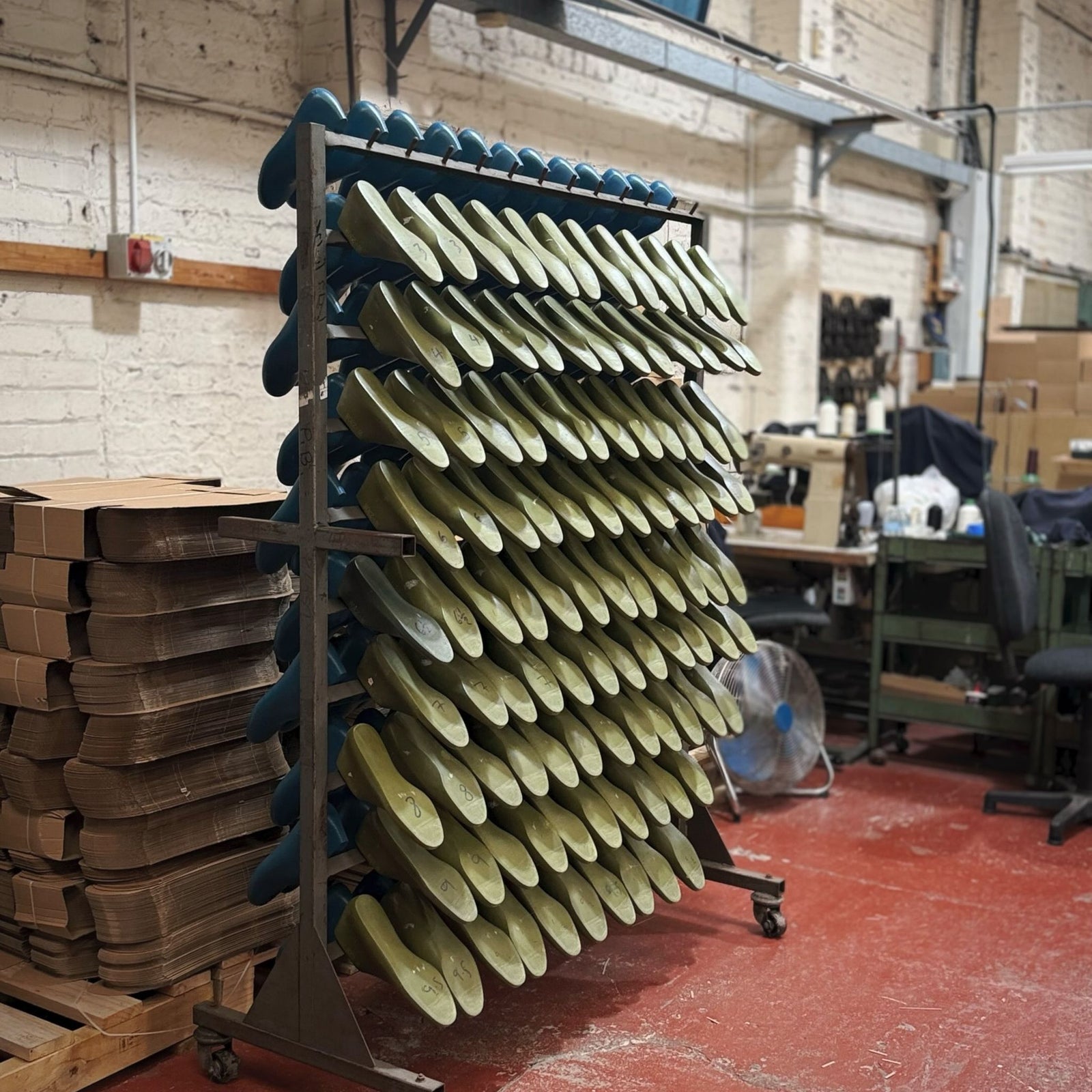
    In 1971, a Bolton cobbler dropped a bead of EVA into a shoe mould and, by most accounts, invented the modern trainer sole. Norman Walsh had already made running spikes for the 1948 Olympic team and boots for a Cup-winning Bolton Wanderers, but it was watching runners struggle across the Pennines that pushed him to build something genuinely new: the Walsh PB, made with fell-running pioneer Pete Bland in 1970, is credited as the world's first purpose-built fell shoe. Sir Chris Bonington's team wore Walsh boots on Everest. Don Ritchie set a 100km world record in a pair of Tornados that stood unbroken for forty years. None of it made Walsh a household name — it just made the shoes very, very good.

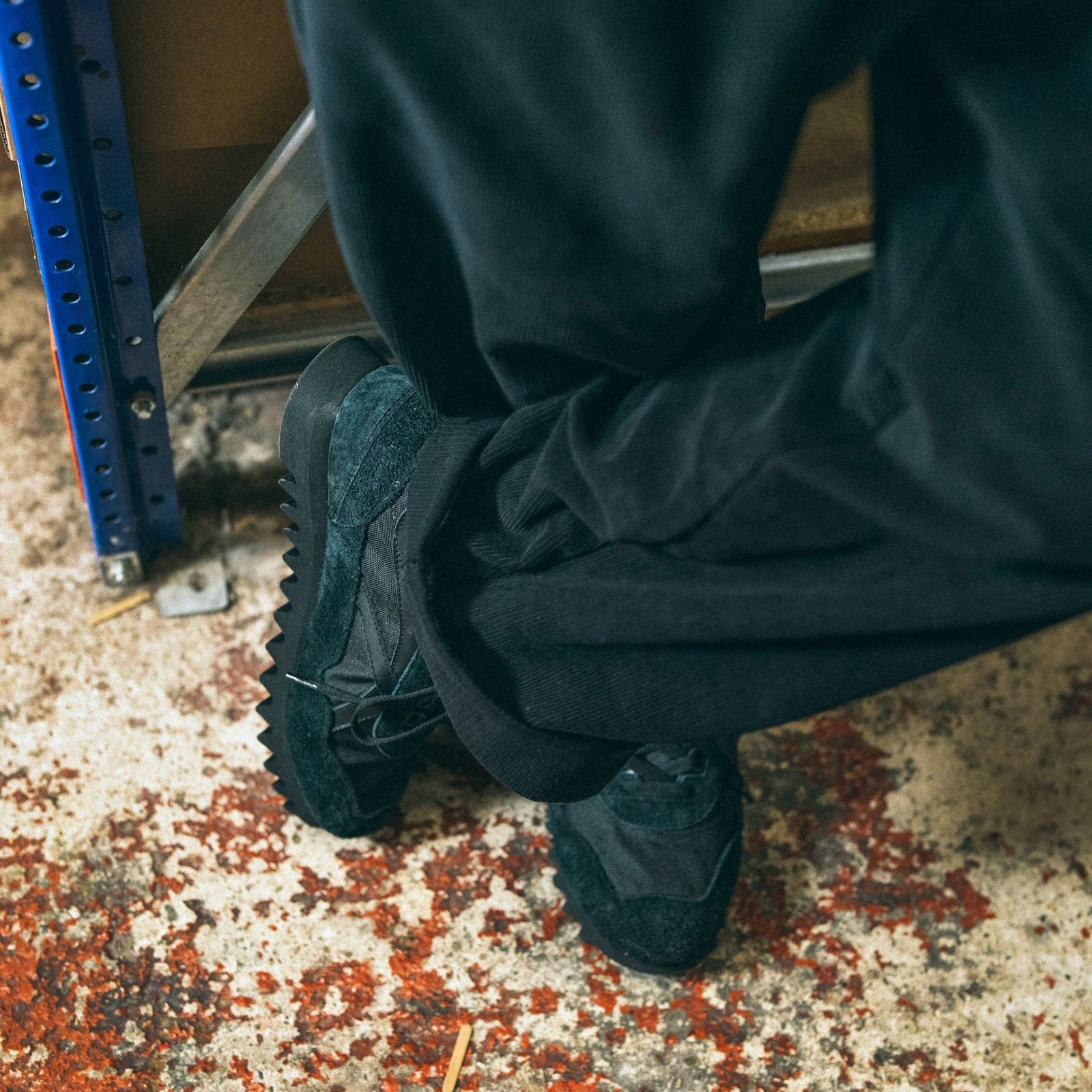
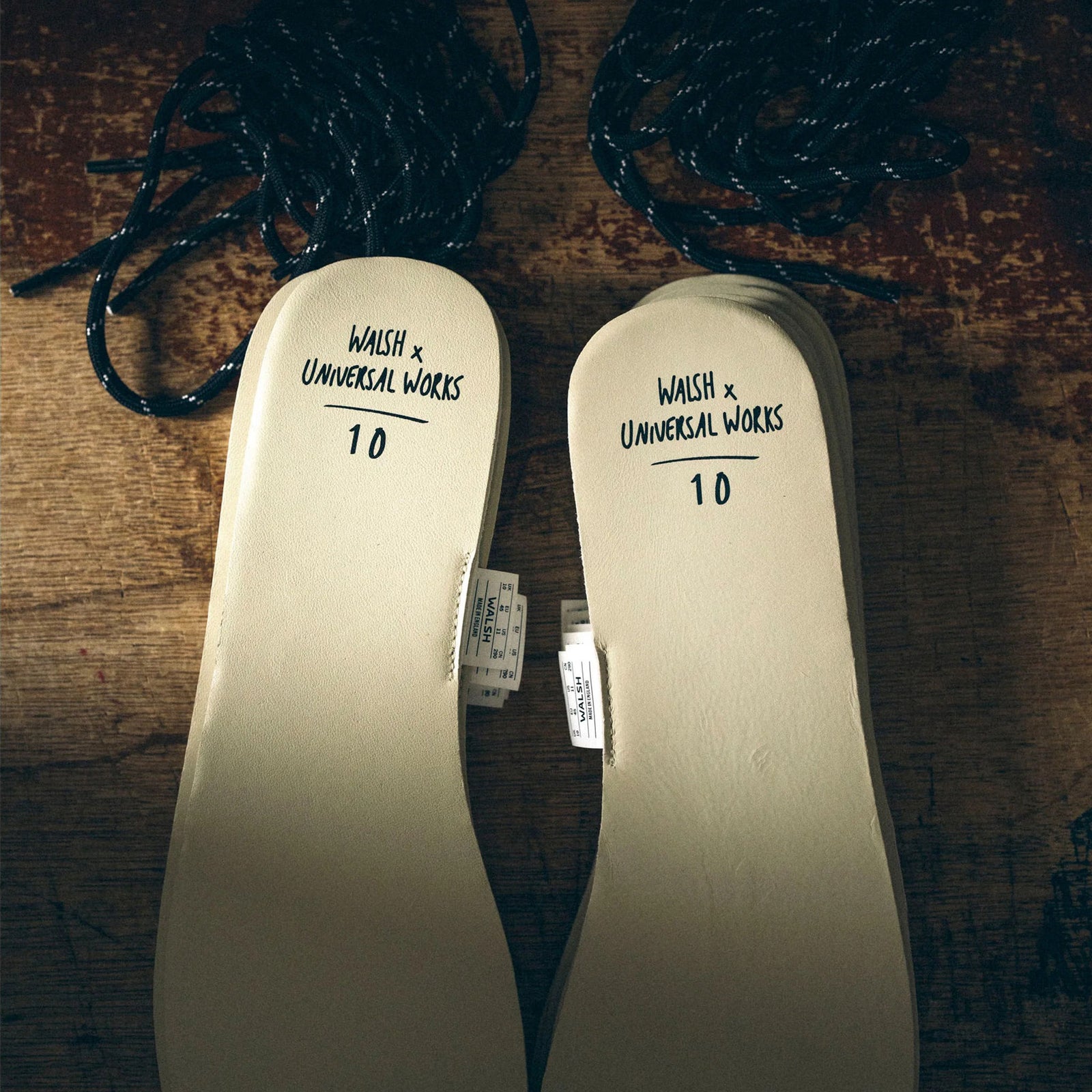
    That quiet obsession with getting the details right still runs through the brand today. The silhouettes are the same ones Norman drew decades ago, updated with a sharper colour palette and the odd unexpected material — British Millerain waxed cotton, Yorkshire melton wool, Ventile. Walsh has become something of an open secret among people who've done their homework: worn on the fells, in Wembley finals, and now on the feet of anyone who wants proper English shoemaking heritage without the shouting.